Design Lead · UX Design & Strategy

Designing Clarity.
from complexity

I work at the intersection of UX strategy, UX design, and AI-enabled experience — helping organisations think clearly about what their customers actually need before deciding how to build it. Based in Dubai with IBM iX Studio, pursuing senior design and experience strategy roles in Melbourne.

Design Lead UX Strategy UX Design UI Design Service Design Enterprise Product Design
Selected Work Password required · Available on request
01
Dual Auto Brands — UAE
End-to-end digital transformation across two automotive brands — experience strategy, IA, 14+ journey maps, and AI integration design.
Client
Automotive Group × IBM iX
My Role
Senior Experience Designer
View
02
UAE Real Estate Developer
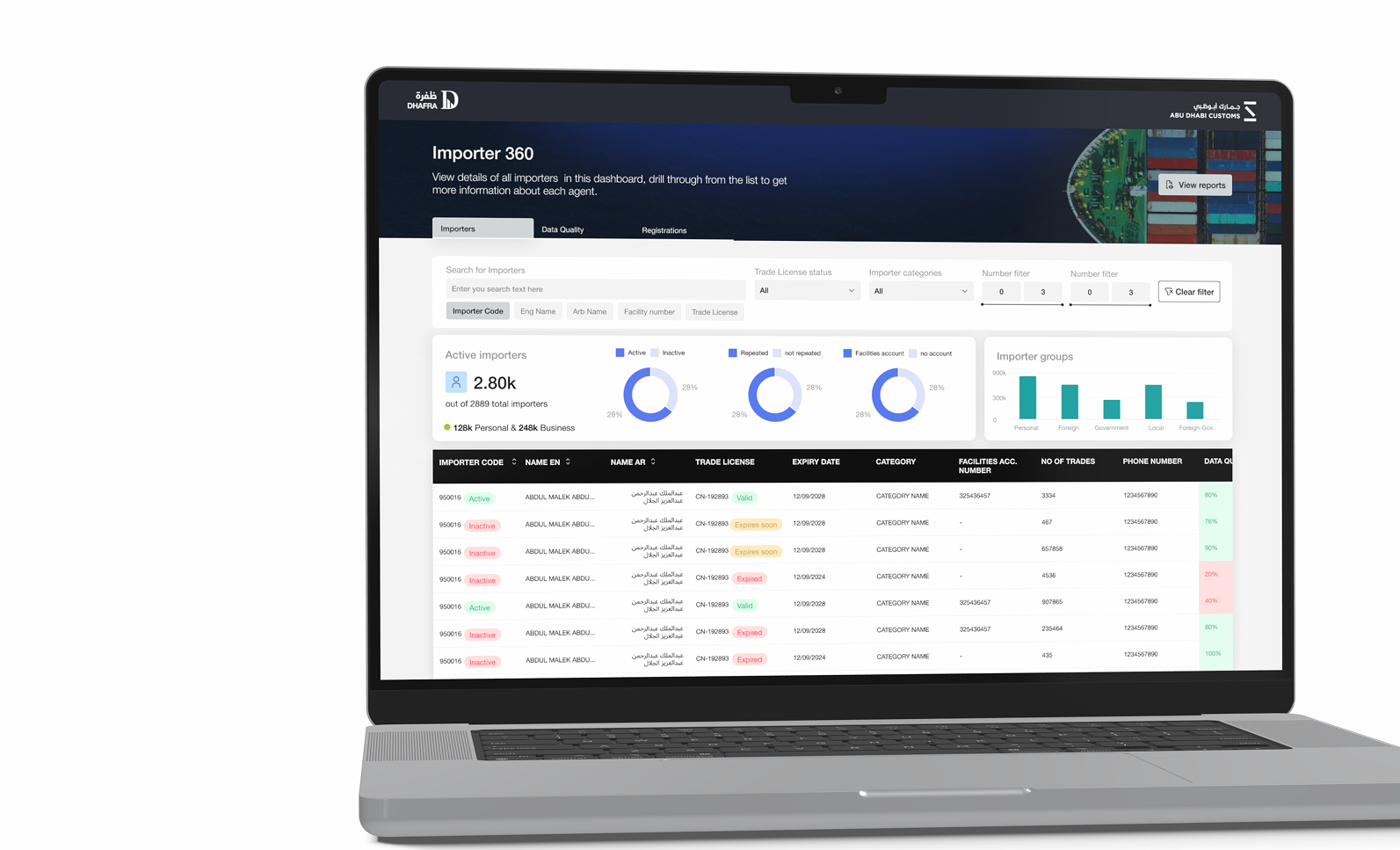
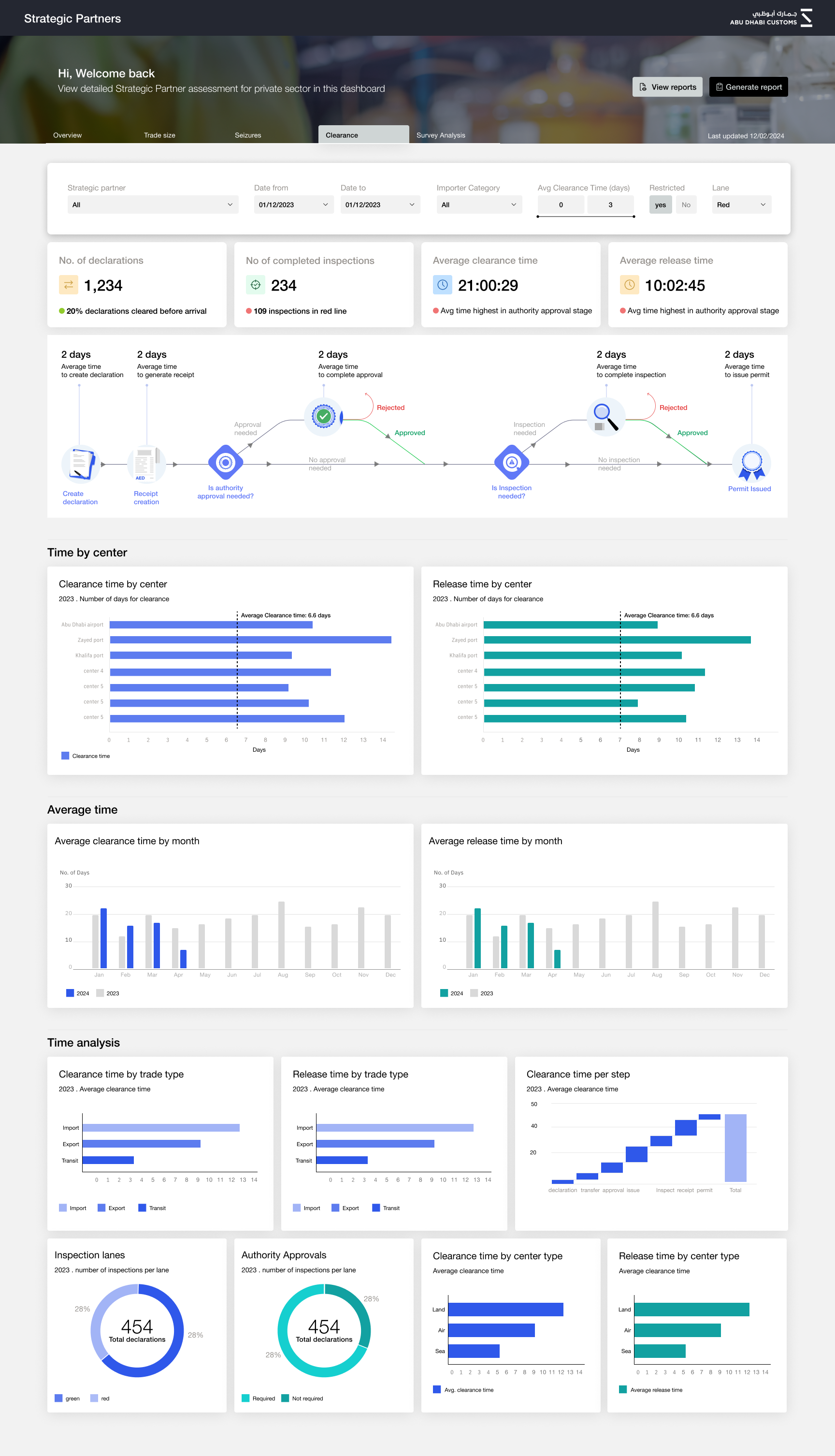
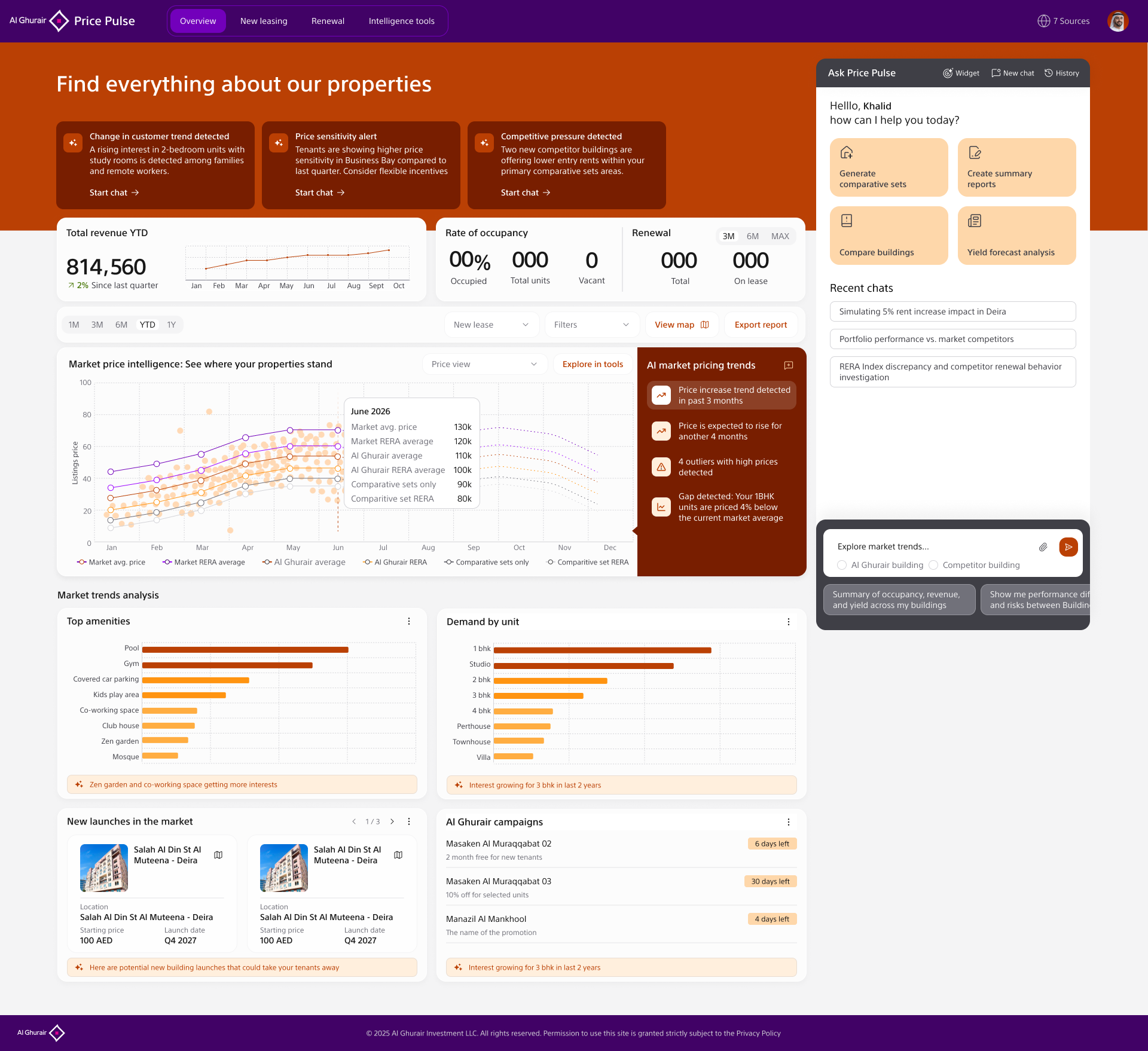
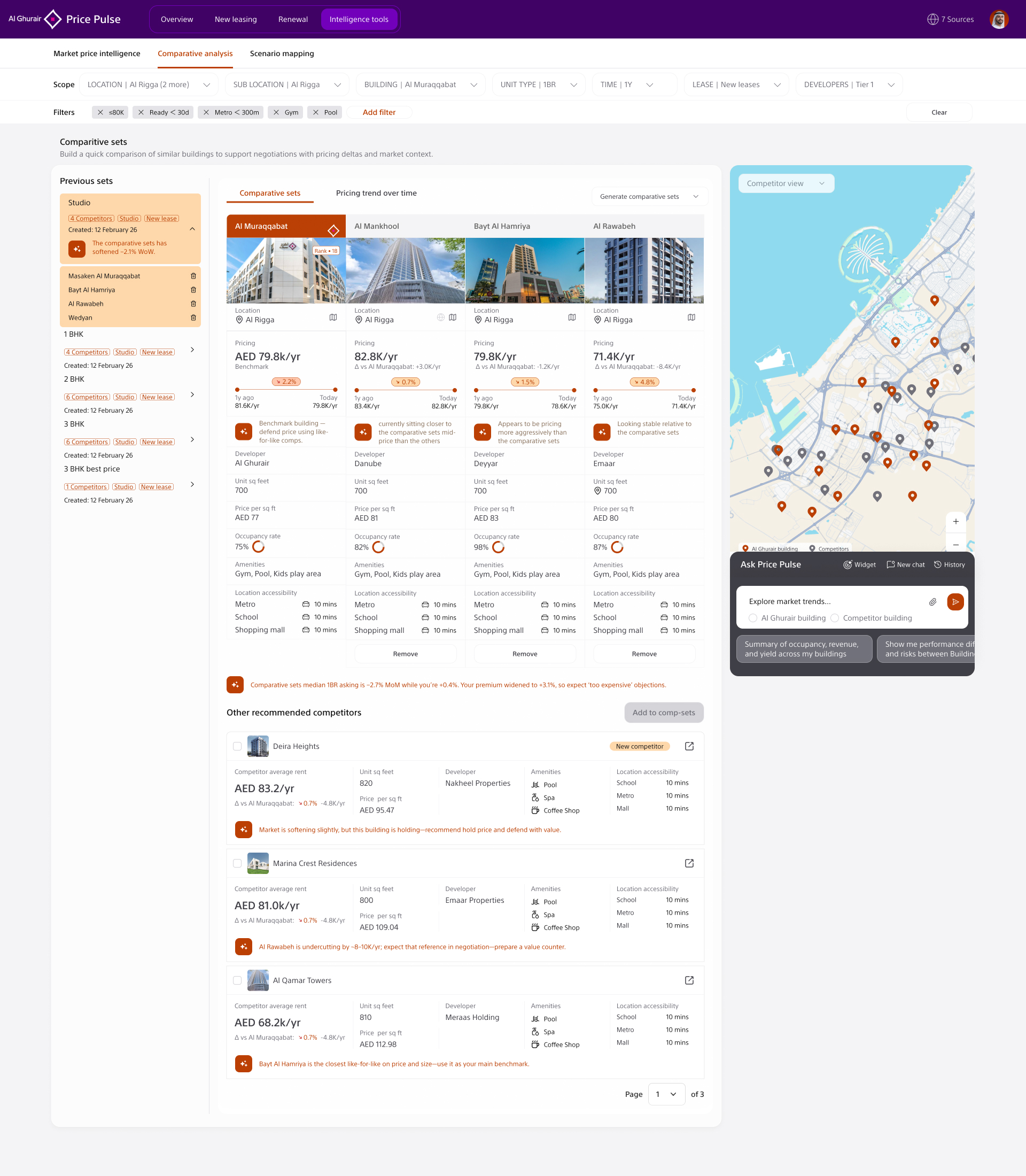
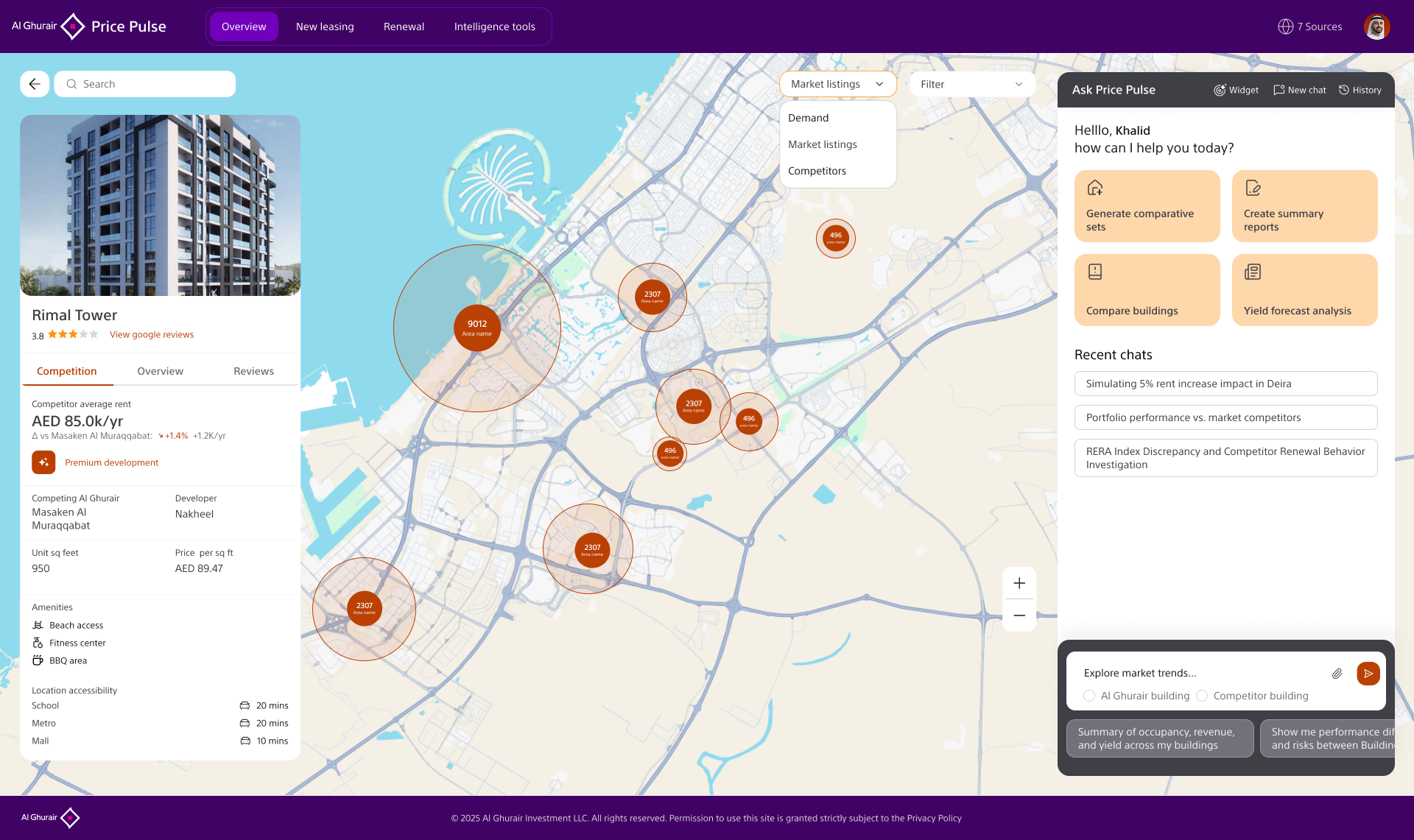
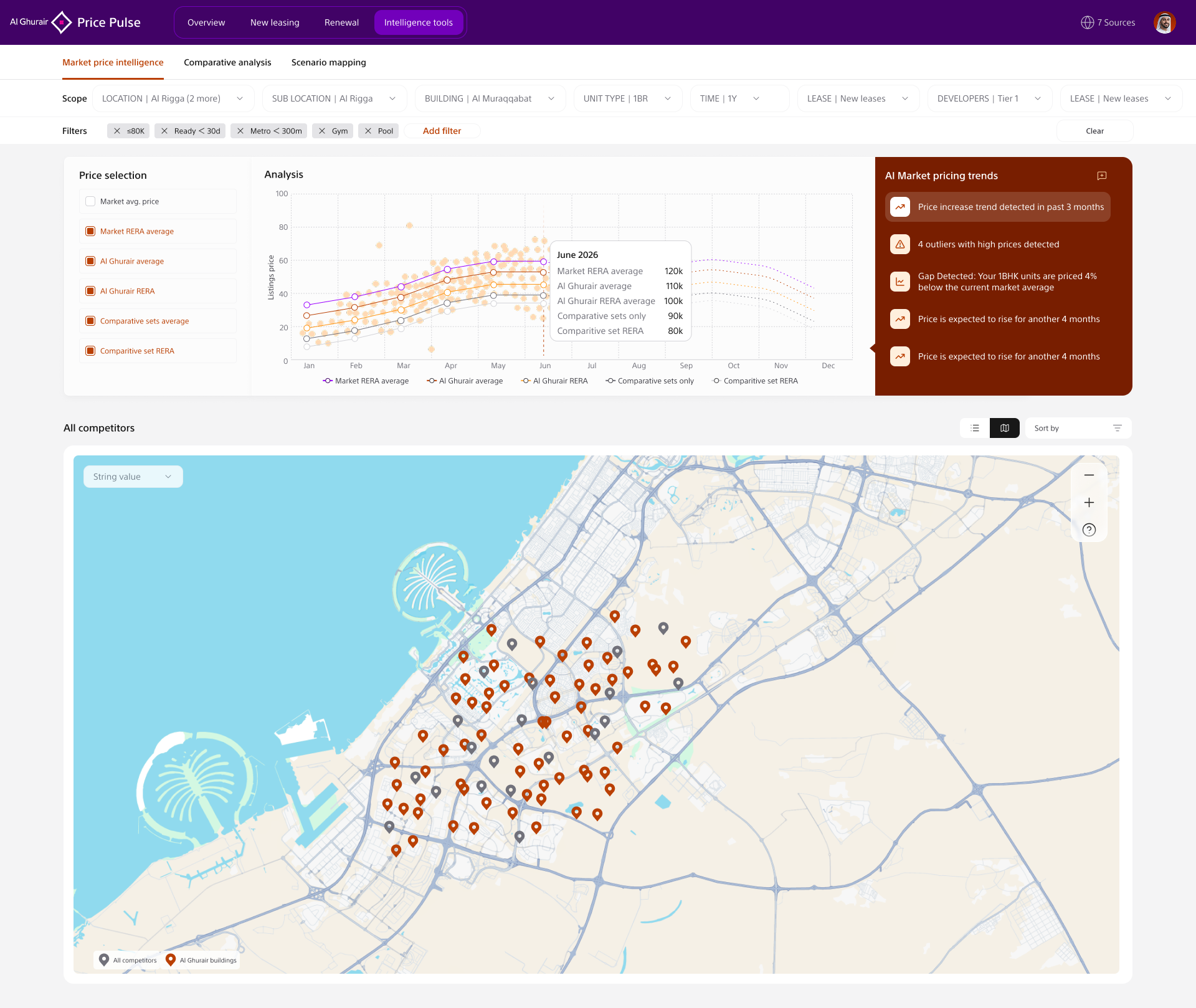
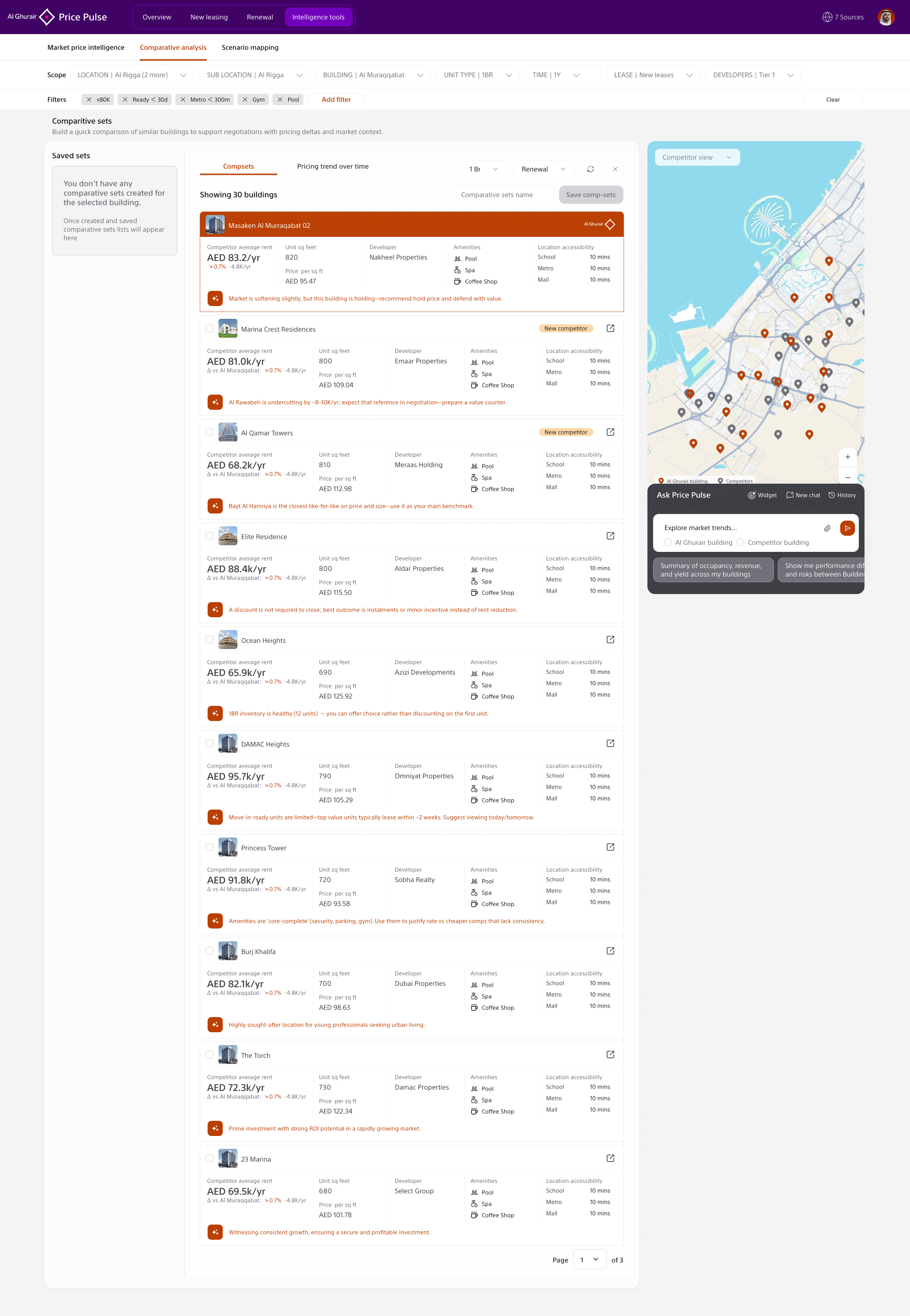
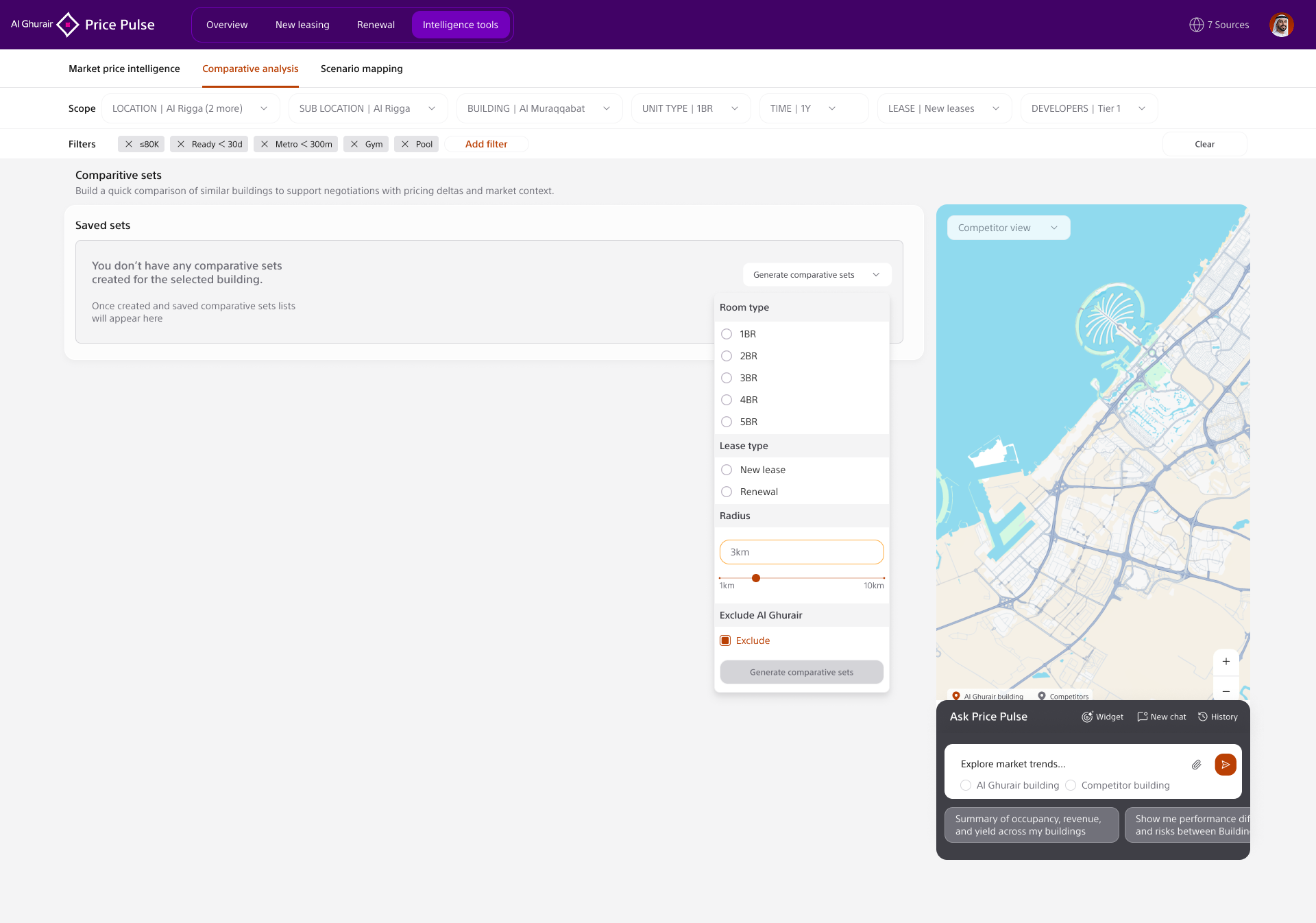
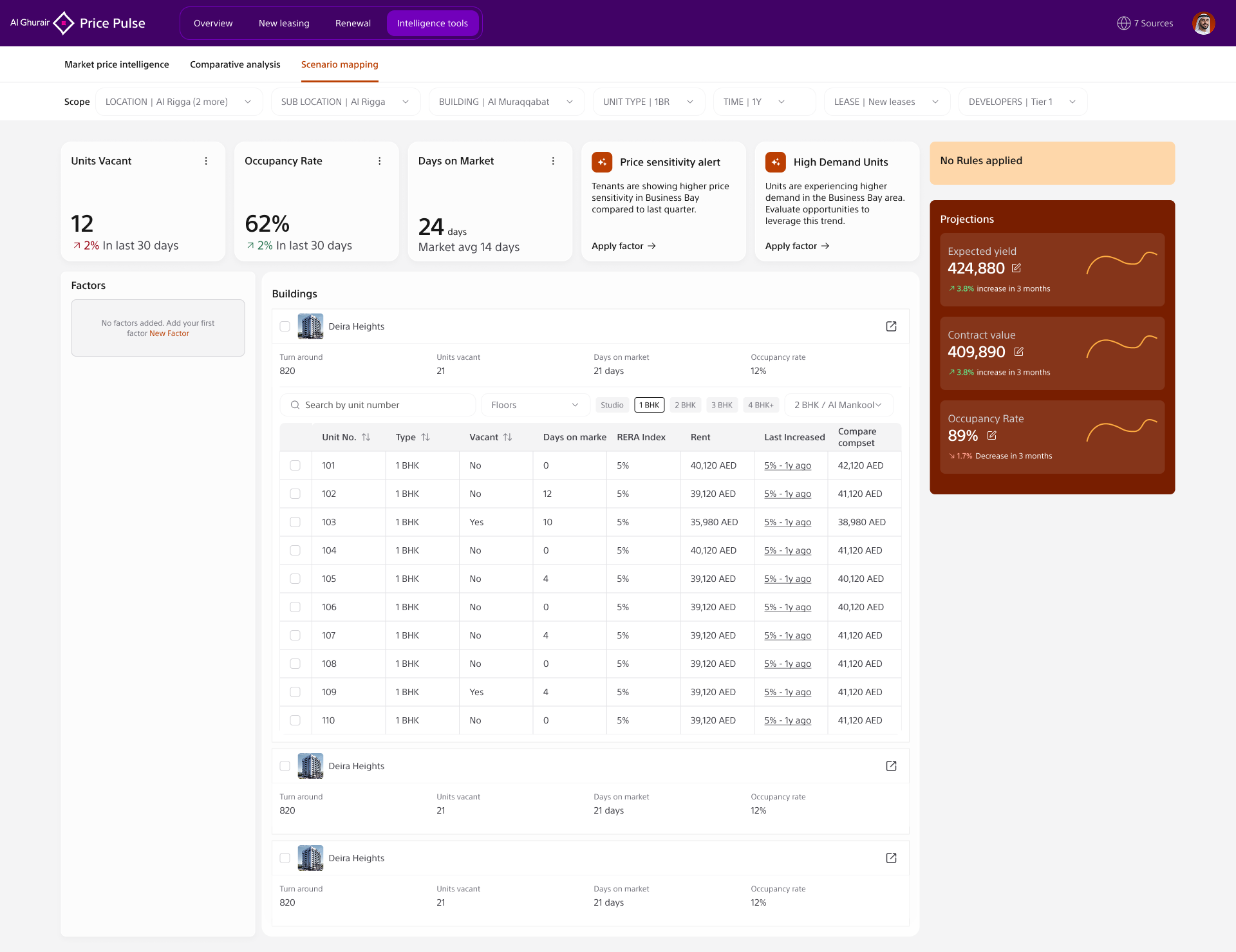
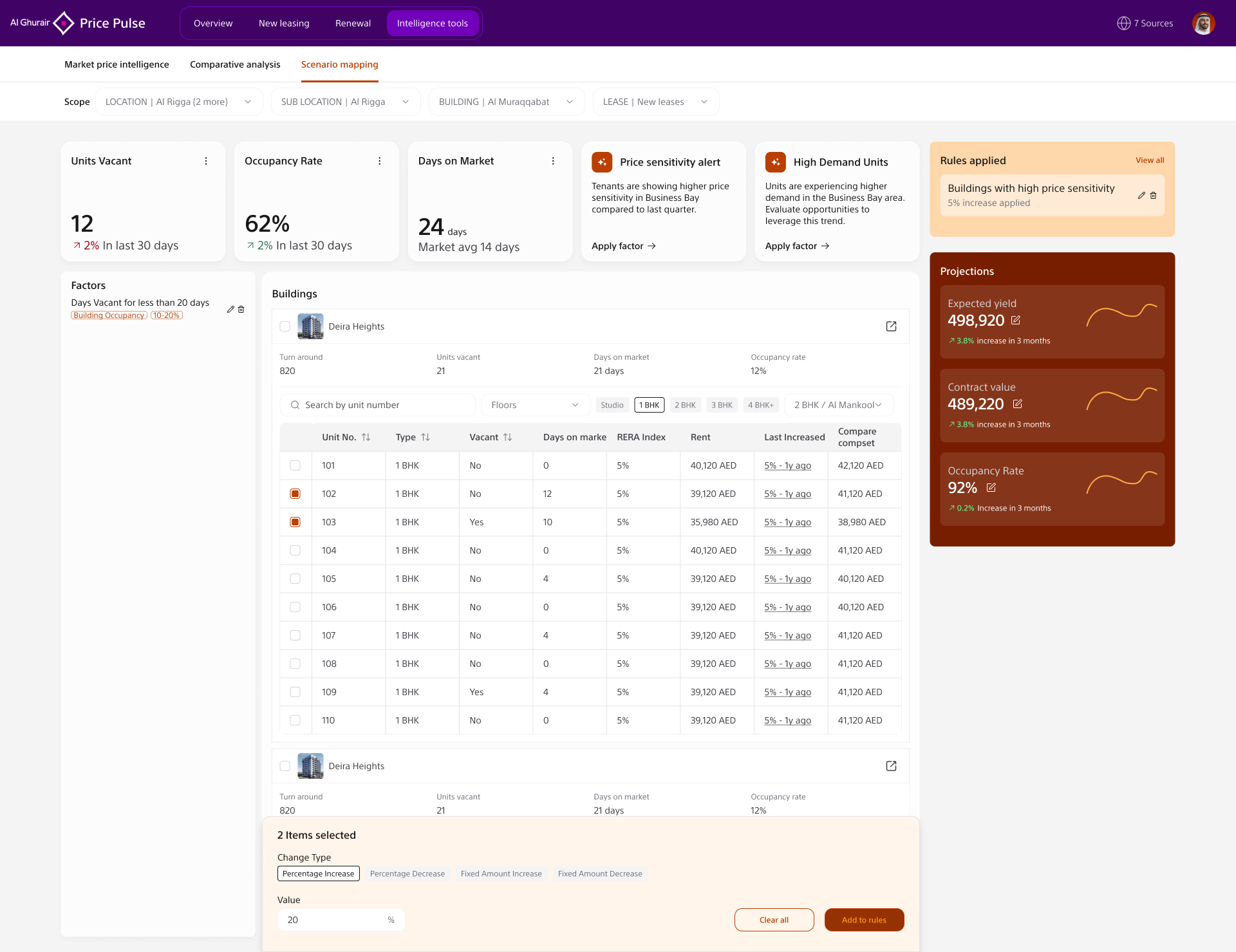
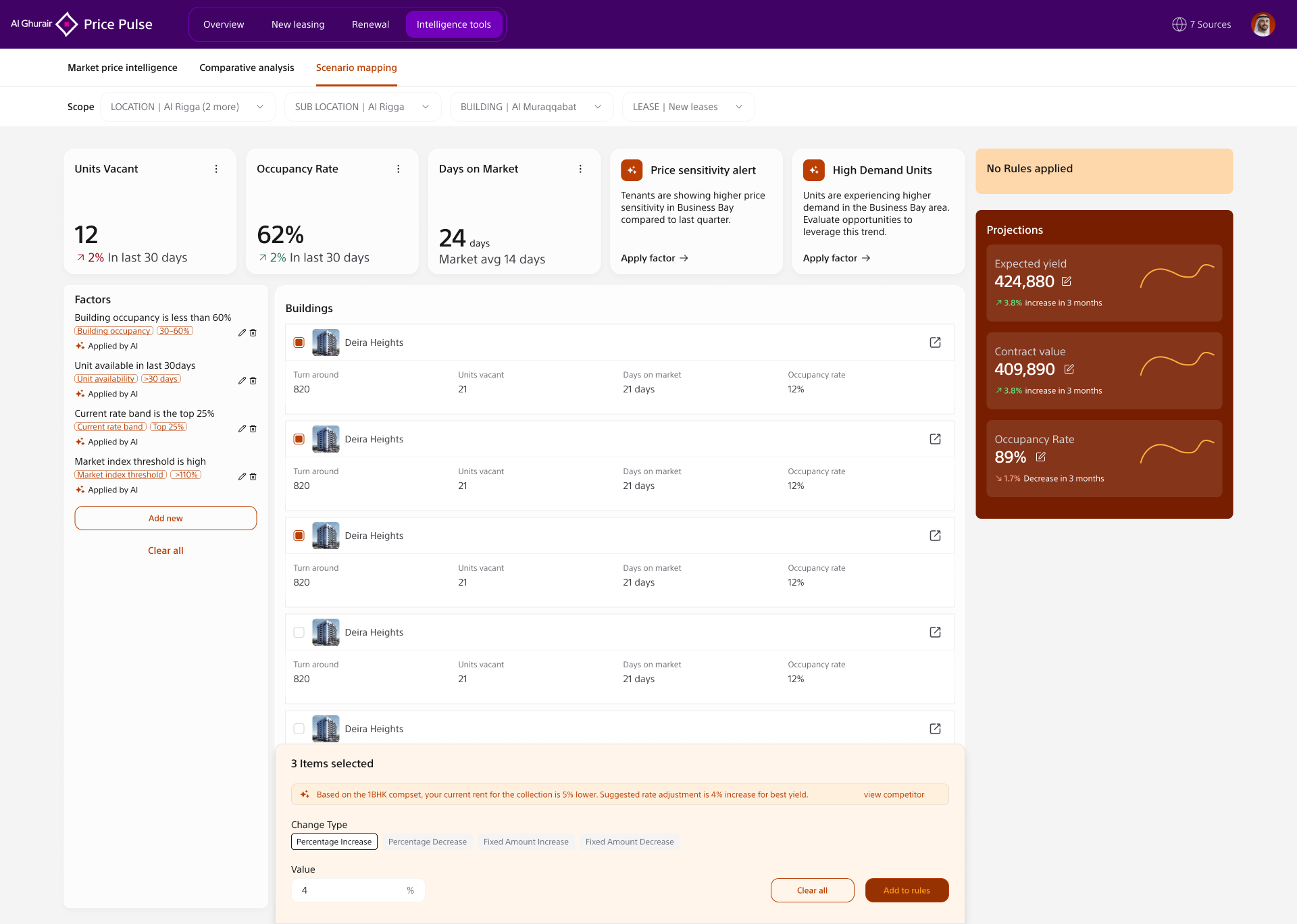
AI-powered pricing intelligence platform for senior management — enabling strategic scenario planning and forecasting across a 50+ building residential portfolio.
Client
Real Estate Group
My Role
UX Strategy Lead
View
03
Retail Super-App
Gamification and avatar collectibles system for a retail super-app — engagement mechanics, loyalty UX, and digital identity design. Partially live.
Client
Retail Group
My Role
Experience Designer
View

Strategy-led.
Research-grounded.
Delivery-focused.

I'm a Senior Experience Designer at IBM iX Studio Dubai, working across large-scale enterprise engagements. My work spans discovery research, service design, information architecture, AI-enabled experience design, and strategic storytelling for client stakeholders.

I lead with questions before I lead with solutions. The work I'm most proud of isn't the deliverables — it's the moments where the right framing of a problem changed what got built. That happens at the strategy end, not the execution end, and that's where I operate best.

I'm currently pursuing senior Experience Design and Experience Strategy roles in Melbourne, open to consultancy, in-house product, and hybrid contexts across enterprise and scale-up organisations.

Protected Case Study

This case study contains confidential process documentation. Enter the password shared in the application email to continue.

Incorrect password. Please try again.

Don't have the password? Request access →

Enterprise UX· Automotive· 2024–2025· IBM iX Studio Dubai

Dual Auto Brands UAE —
Digital Experience
Transformation

Redesigning two flagship automotive digital ecosystems from fragmented touchpoints into cohesive, AI-enabled customer journeys — across 14+ mapped experiences, two distinct brand personalities, and a shared technology platform.

Client
Automotive Group × IBM iX
My Role
Senior Experience Designer
Duration
12 months
Scope
Strategy, IA, Journeys, AI Design

Two iconic brands. One fractured digital experience.

The client is the exclusive distributor of two automotive brands in the UAE. Their digital estates had grown organically over years, producing disconnected touchpoints, unclear navigation paths, and broken handoffs across the pre-purchase funnel. Customers exploring a vehicle online faced a smooth configuration experience that dead-ended before finance; test drive bookings that didn't connect to showroom systems; and no continuity between digital research and in-dealership conversation.

User Pain — Mass-Market Brand
Buyers were abandoning finance journeys at high rates. Research showed the gap between "I like this car" and "I know I can afford this car" was never bridged digitally — customers left to figure it out themselves.
User Pain — Premium Brand
Premium buyers expected a concierge-quality experience. Instead they encountered the same transactional flows as volume mass-market buyers — eroding brand perception before a single conversation with a sales team.

"The challenge wasn't designing better screens — it was architecting the connective tissue between a showroom visit, a WhatsApp enquiry, an online configuration, and a finance application."

The added complexity: both brands share infrastructure but serve fundamentally different customers. Any solution had to maintain genuine brand distinction while achieving system efficiency — a tension that shaped every design decision on the project.

What I owned, and what made it hard.

I was the lead experience designer on both brands simultaneously — working within IBM iX's delivery structure alongside strategy, content, and technology workstreams. I owned the experience vision, information architecture, journey design, AI integration scoping, and client-facing strategic communication across both brand sites.

Key Constraints

Legacy technology platform with limited flexibility · Competing priorities between the client's marketing and digital teams · Compressed delivery timeline · Designing for the UAE's multicultural, mobile-first, high-consideration buying context — not a Western template · Dual-brand scope with a single design resource

NDA note: Specific wireframes, unreleased UI, and client research data are withheld. What follows describes process, methodology, and strategic framing only.

A structured process through genuine complexity.

1
Discovery — Understanding the actual customer

Conducted qualitative interviews with UAE-based car buyers across both brand segments — first-time buyers, upgrade customers, fleet purchasers, premium buyers. Ran heuristic evaluations and session analysis across both live sites. Synthesised findings using a custom AI research tool I built specifically for the project, reducing analysis time by approximately 60% and improving insight consistency across the team.

Qualitative interviewsHeuristic evaluationSession analysisPersona developmentAI synthesis tool
2
Strategy — Defining what "distinct" means at the system level

Authored experience principles and a future-state vision for both brands. The core strategic question was: what does "same system, different spirit" mean in practice? The mass-market brand required warmth, accessibility, and family-first framing. The premium brand required restraint, refinement, and a concierge-level digital feel. I built this distinction into navigation language, page hierarchy, interaction patterns, and even the tone of error states — not just visual design.

Experience principlesBrand distinction frameworkFuture-state visionStakeholder workshops
3
Architecture — Rebuilding from customer intent, not org structure

Rebuilt the IA models for both brand sites from first principles. Rather than reorganising existing content, I restructured around how someone actually thinks about buying a car — not how the client's internal teams are organised. Produced detailed site maps, taxonomy documentation, and navigation system specs for both brands, with explicit rationale for every structural decision.

Site architectureNavigation designContent taxonomyIA documentation
4
Journey Design — 14+ end-to-end flows in swim-lane format

Designed 14+ user journeys covering exploration, vehicle configuration, test drive booking, trade-in, finance application, and post-purchase. Each journey was documented in swim-lane format — user actions, system responses, emotional states, and enabling processes — giving both design and technology teams a shared working artefact. The enabling process documentation was particularly valued by the client's operations teams.

Swim-lane journey mapsPhygital continuityCross-channel flowsEnabling process docs
5
AI Integration — Anchored to specific friction, not capability lists

Identified and designed AI-enabled moments across the customer lifecycle. Critically, each AI touchpoint was anchored to a specific research insight — smart vehicle matching emerged from buyers describing feeling overwhelmed by choice; conversational finance modelling came from the clear gap between interest and affordability confidence. All concepts were tested with UAE buyers before inclusion in the future-state recommendation.

AI use-case scopingConcept testingExperience prototypingStakeholder co-design
Process Artefact
IA documentation, journey maps, and experience principles available to walk through in interview — withheld from portfolio per NDA

Directional outcomes from the work.

14+
End-to-end journeys mapped across both brands and all channels
Brand ecosystems redesigned simultaneously with distinct IA models
~60%
Reduction in research synthesis time via custom AI tool built for the project

The future-state frameworks, IA documentation, and journey maps became the foundational artefacts the client's internal teams used to brief engineering, plan roadmap prioritisation, and evaluate vendor capabilities. The design work moved upstream — it became the brief, not just a response to one.

The dual-brand approach — treating both brands as siblings with a shared skeleton but genuinely different spirits — was validated in client reviews and became a reference model for how the group approaches multi-brand digital strategy.

Specific conversion metrics and business KPIs withheld per NDA. Available in discussion during interview.

Honest reflections.

Start phygital alignment in week one

Designing showroom-to-digital journeys exposed silos between the client's digital and in-dealership teams that only emerged mid-delivery. I'd push to bring dealership managers into the research and co-design phase from the start — not as informants, but as co-designers.

Prototype AI moments earlier

AI experience concepts were concept-tested relatively late. Earlier lo-fi prototyping would have surfaced the trust and transparency concerns UAE users had around AI recommendations — concerns that required a meaningful design pivot when they emerged.

Define success metrics at discovery, not delivery

Success metrics were defined reactively, after the design direction was set. Building measurable experience outcomes into the discovery phase — not just business outcomes — would have given the team stronger footing when prioritisation decisions got difficult late.

Want to walk through this project in detail?

Get in touch →
🔒 This case study presents process, methodology, and strategic framing only. Client-specific research data, unreleased design artefacts, and business metrics are withheld per IBM iX confidentiality agreements. Full documentation available to hiring managers on request.
Internal Tool Design· AI-Enabled· Real Estate· 2023–2024

UAE Real Estate Developer —
AI Pricing
Intelligence Platform

Designing an AI-powered pricing scenario platform for senior management — enabling strategic forecasting and portfolio-wide price modelling across 50+ residential buildings and six unit types, replacing manual processes that made high-stakes decisions slow, opaque, and hard to defend in the boardroom.

Client
Regional Real Estate Group
My Role
UX Strategy Lead
Primary Users
Senior Management
Scope
Research, Strategy, Tool Design

High-stakes decisions. Primitive tools.

The client manages one of the UAE's largest residential real estate portfolios — 50+ buildings across Dubai, with pricing decisions affecting thousands of units. When I came in, senior leadership was making portfolio-wide pricing decisions using a patchwork of Excel spreadsheets, email chains, and institutional knowledge held by a handful of people.

The result: scenario planning was slow, inconsistent, and impossible to interrogate. Before a board presentation or a major repositioning decision, senior managers had no reliable way to model "what happens to occupancy and revenue if we move pricing by X% across this segment" — and no shared artefact to align their teams around. Decisions were made on gut feel backed by outdated reports.

The Strategic Problem
Senior management couldn't run credible scenarios before committing to a pricing direction. Every major decision required days of manual modelling by analysts — and still lacked confidence because the methodology wasn't visible or challengeable.
The Design Opportunity
If leadership could see outcome projections — occupancy impact, yield forecasts, competitive positioning — before making a call, the quality and speed of decisions would improve. The tool needed to make uncertainty legible, not just data visible.

"The question wasn't how to visualise pricing data — it was how to make a consequential decision feel safe to make quickly, and defensible afterwards."

Leading strategy and execution for a high-trust user.

I owned the full UX scope — from discovery research and stakeholder interviews through to the information architecture, interaction design, and handoff documentation. The primary user was senior management: executives and portfolio directors who needed to run pricing scenarios confidently, present them to boards, and align their teams around a shared view of the portfolio.

Designing for this user meant understanding how executives actually think during a forecasting exercise — what they need to see first, what level of granularity builds confidence versus creates noise, and how to surface AI recommendations in a way that supports rather than replaces their judgement.

Key Constraints

No existing design system to work from · Data complexity — 50+ buildings × 6 unit types × multiple pricing variables · Real-time integration requirements from legacy property management systems · Very high trust bar — errors in pricing had direct revenue impact · Users were senior, time-poor, and not tolerant of complex interfaces

Understanding the decision before designing the tool.

1
Discovery — Mapping how pricing decisions actually get made

Conducted structured interviews with senior management to understand the real decision-making process — not the official process, but what actually happened. Built a Universal Journey Framework mapping the flow from market signal to scenario modelling to board presentation to implementation. The key finding: the bottleneck wasn't data, it was confidence. Leaders had access to plenty of numbers; they lacked a reliable way to translate those numbers into a defensible position.

Stakeholder interviewsDecision journey mappingUniversal Journey FrameworkMental model analysis
2
Strategy — Designing for decision confidence, not data completeness

The strategic insight that shaped everything: senior users didn't need more data, they needed better decisions. That's a fundamentally different design problem. I reframed the platform from a "pricing dashboard" to a "scenario confidence tool" — the job wasn't to show all available pricing information, it was to help a senior leader arrive at a position they could stand behind. Every design principle flowed from this reframe.

Strategic reframingExperience principlesAI opportunity mapping
3
Architecture — Outcomes first, inputs second

Designed the IA around the executive mental model: start with projected outcomes (occupancy, yield, revenue impact), then allow drill-down into the assumptions and variables driving them. This was the opposite of how the existing spreadsheet process worked — and exactly what concept testing confirmed senior users needed. The architecture made it possible to answer "what does this decision cost us?" before committing to it.

Platform IAOutcome-first hierarchyNavigation architectureData hierarchy
4
AI Integration — Recommendations that support, not replace, judgement

Designed the AI pricing suggestion layer to augment senior decision-making, not automate it. The interaction model showed AI-generated recommendations alongside the reasoning — market comparables, occupancy trends, seasonal factors — so leaders could interrogate the logic before accepting or overriding it. Critically, the UI preserved the ability to override and record why, making every decision auditable. Trust came from explainability, not accuracy alone.

AI recommendation designExplainability patternsScenario modelling UXHuman oversight design
5
Validation — Testing with senior stakeholders directly

Ran concept testing sessions with senior management — not proxies, the actual users. Key finding confirmed: the scenario view had to lead with projected outcome, not methodology. Leaders wanted to see "if we reprice this segment by 8%, here's projected occupancy and revenue impact" before seeing how the model arrived there. This inverted the initial design and became the defining structural decision of the platform.

Executive concept testingUsability testingDesign iterationStakeholder validation
Process Artefact
Universal Journey Framework, platform IA, and interaction design documentation available in interview — withheld per NDA

What the work made possible.

50+
Buildings mapped in the platform IA, across 6 unit types and multiple pricing variables
Board
Scenario interface adopted as the basis for executive pricing presentations
Days
→ hrs
Target reduction in scenario modelling cycle for senior management

The platform gave the client's leadership team something they didn't have before: a shared, interrogable artefact for pricing decisions. The scenario planning interface became the basis for board-level presentations — the design work moved directly into the boardroom.

The Universal Journey Framework I built for this project was adopted as a reusable methodology for subsequent client experience initiatives — extending the value of the design work beyond this single engagement.

Revenue and occupancy impact metrics withheld per NDA. Available in discussion during interview.

Honest reflections.

Involve the data team in IA decisions from the start

Some information hierarchy decisions I made based on user research had to be revisited when engineering clarified what data was queryable in real-time versus batched. Earlier technical involvement would have saved two rounds of redesign on the scenario view — particularly the outcome projection layer.

Run executive concept testing in week three, not week eight

I built out a significant amount of the platform architecture before testing with senior users. The "outcomes before methodology" insight — which fundamentally reorganised the IA — only emerged when I put concepts in front of executives. That should happen early enough to shape the architecture, not after it.

Make AI explainability a scope requirement, not a design feature

The explainability layer — showing the reasoning behind AI recommendations — was initially scoped as a nice-to-have. It became foundational to user trust and had to be retrofitted. I'd advocate for it as a non-negotiable requirement from the first project brief, particularly for high-stakes decision-support tools.

Want to walk through the platform design?

Get in touch →
🔒 This case study presents process, methodology, and strategic framing only. Platform designs, pricing logic, and business performance data are withheld per client confidentiality agreements. Full documentation available to hiring managers on request.
Consumer Product· Gamification· Retail· 2023

Retail Super-App —
Gamification &
Digital Identity System

Designing a gamification and avatar collectibles system for a regional retail super-app — creating an engagement layer that made loyalty feel personal, progressive, and genuinely rewarding rather than transactional. Core features are partially live; the engagement mechanics and identity system are in phased rollout.

Client
Retail Group
My Role
Experience Designer
Status
Partially live · Phased rollout
Scope
Research, Mechanics, Identity Design

A loyalty programme that felt like a loyalty programme.

The app is a retail super-app spanning brands across fashion, home, automotive, and more. The existing loyalty experience was purely transactional: points earned, points redeemed, with no emotional engagement and no reason for users to return beyond a pending reward.

Engagement metrics were flat. Users who collected points weren't returning to the app between purchase cycles — meaning the app had no presence in customers' daily digital lives, and the client had no channel for ongoing relationship-building outside a sale.

The Business Problem
The client needed the app to become a daily habit, not an occasional transaction tool. A loyalty programme that only activates at point of purchase doesn't build brand affinity — it just delays it.
The User Problem
Users didn't feel like the app knew them. Points were anonymous and interchangeable — there was no sense of personal identity or progression that made one user's account feel different from another's.

"Loyalty without identity is just a discount. The goal was to make engagement feel like self-expression."

Designing engagement mechanics from first principles.

I owned the full experience design for the gamification and avatar collectibles system — from user research and engagement mechanics definition through to the digital identity system design and handoff documentation. I worked alongside the product and engineering teams to ensure the design was buildable within the existing app architecture.

Key Constraints

Existing app architecture limiting certain interaction patterns · Highly diverse user base — UAE's multicultural demographic with very different expectations of "play" and reward · Risk of gamification feeling patronising to older or premium customer segments · No existing design language for identity or collectibles within the app

Mechanics before aesthetics.

1
Discovery — What actually drives return behaviour?

Researched engagement patterns across successful loyalty and gamification systems — from retail (Starbucks, Nike) to gaming (Duolingo, Pokémon GO) to understand the underlying mechanics that drive habitual return. Conducted user interviews with existing app users to understand their current relationship with the app and their expectations of reward and recognition. Key finding: UAE users responded strongly to status and social visibility, not just personal milestones.

User interviewsGamification researchCompetitive analysisBehavioural pattern mapping
2
Mechanics Design — The engagement loop before the interface

Designed the engagement mechanics before touching any visual design. Built out the core loop: earn actions (purchases, app interactions, brand engagement) → progression triggers → collectible unlocks → status signals → social visibility. Critically, the system was designed so that collectibles weren't random — they were tied to specific brand interactions, making each avatar piece a record of a real customer relationship with a brand.

Engagement loop designReward mechanicsProgression frameworkCollectible taxonomy
3
Identity System — Avatar as personal expression

Designed a digital avatar system where each user builds a visual identity over time through their brand interactions. Avatars were customisable across a defined set of dimensions — body, expression, style, accessories — with collectible elements unlocking based on engagement history. The design system had to balance creative latitude for users with enough constraint to maintain visual coherence across a diverse set of brand categories and collectible styles.

Digital identity designAvatar systemCollectible design frameworkDesign system
4
Concept Testing — Does the engagement loop actually engage?

Tested the mechanics and identity system with users from across the app's demographic range. The key tension I was testing for: did the gamification feel rewarding or patronising to older and premium segments? Finding: the collectible system worked well across ages when framed as "your brand history" rather than "playing a game." The framing shift — from game mechanics to personal record — was the critical design pivot that made the system work for the full user base.

Concept testingCross-segment validationFraming iteration
Process Artefact
Engagement mechanics framework, avatar system design, and collectible taxonomy available in interview — withheld per NDA

Partially live. What's shipped and what it showed.

Core features of the gamification and avatar system are live, with remaining features in phased rollout. As a partially live project, full engagement metrics are still accumulating — but the design work established several things that weren't in place before launch:

What shipped
The core avatar identity system and initial collectible categories are live — giving users a visual identity tied to their brand interactions for the first time. The progression mechanics are running, with collectibles unlocking based on real engagement history.
What it enabled
The app now has a loyalty layer that exists between purchase cycles — giving the app a presence in users' daily digital lives that doesn't depend on a transaction trigger. That was the core strategic objective, and the shipped features deliver it.

The mechanics framework and collectible taxonomy were designed for extensibility — new brand partnerships can be added to the system without redesigning the core. This was deliberate: the design needed a longer shelf life than the initial launch scope, and it's proving out as rollout continues.

Live engagement metrics and performance data withheld per NDA. Available in discussion during interview.

Honest reflections.

Define the metrics for success before design begins

What does "engagement" actually mean in measurable terms for this system — daily active users? return visit frequency? collectible completion rates? I'd want these defined and agreed with the product team before starting mechanics design, so every decision has a clear north star to test against.

Map the engineering constraints earlier

Some interaction patterns I designed for the avatar system had to be simplified at handoff due to technical constraints that weren't fully scoped at the start. A more thorough technical feasibility review mid-design would have prevented late-stage simplification.

Push for a pilot launch to validate the loop

Concept testing validates intent, not behaviour. I'd push for a limited pilot — even a small user group — before full launch, specifically to validate that the engagement loop creates genuine return behaviour and not just initial curiosity.

Want to walk through the engagement system design?

Get in touch →
🔒 This case study presents process, methodology, and strategic framing only. Avatar designs, collectible visuals, and unreleased product features are withheld per client confidentiality agreements. Full design documentation available to hiring managers on request.